Posted on Leave a comment

Why Some Peptides Feel Life-Changing (And Others Do Almost Nothing)

Why some peptides feel life changing is a question more people are starting to ask as the peptide industry grows rapidly. Why some peptides feel life changing often comes down to one simple thing:

👉 not all peptides work on the same level

Some compounds create noticeable system-wide changes. Others are far more subtle. Some target foundational pathways in the body, while others focus on very specific signaling mechanisms.

And honestly?

A lot of people enter the peptide world expecting every compound to feel revolutionary.

That’s not reality.

At ProPharma Peptides, we believe understanding WHY certain peptides stand out is just as important as understanding what they are.

Because once you understand the difference between hype and actual biological impact…

👉 everything starts making more sense.

The Peptide Industry Has Changed Fast

Five years ago, most people had never even heard the word “peptide.”

Now?

  • peptides are everywhere
  • social media is flooded with them
  • new compounds appear constantly
  • everyone claims theirs is “the best”

The problem is:
👉 many people now expect EVERY peptide to feel dramatic

That expectation alone causes confusion.

Because peptides are not stimulants.

Most of them work through:

  • signaling
  • adaptation
  • communication pathways
  • gradual biological changes

👉 Some changes are subtle at first—but powerful over time.

The Real Difference Between Strong and Weak Peptides

This is where things get interesting.

The peptides that feel “life changing” usually influence:

  • major biological systems
  • energy regulation
  • recovery capacity
  • appetite pathways
  • cellular signaling

The weaker-feeling peptides often:

  • target narrow pathways
  • create subtle responses
  • require longer timelines to notice

👉 Bigger system involvement usually = more noticeable effects

That’s the pattern.

Why Retatrutide Got So Much Attention So Fast

Retatrutide exploded in popularity because people noticed something immediately:

👉 it felt different

Why?

Because it interacts with:

  • GLP-1 pathways
  • GIP pathways
  • glucagon receptor signaling

That’s a massive amount of metabolic communication happening simultaneously.

Retatrutide didn’t become popular because of hype alone.

It became popular because:
👉 people noticed broad system-level changes

That’s what separates major peptides from average ones.

Why GHK-Cu Keeps Showing Up Everywhere

GHK-Cu is another perfect example.

This peptide appears in discussions around:

  • skin
  • hair
  • regeneration
  • recovery
  • anti-aging
  • signaling pathways

Why?

Because it works at a communication level.

Instead of forcing one effect:
👉 it improves how systems interact

That creates broad, layered outcomes over time.

And that’s exactly why some people describe peptides like GHK-Cu as:
👉 “different”
👉 “noticeable”
👉 “hard to explain”

The Difference Between Feeling and Signaling

This is one of the most misunderstood parts of peptides.

Some compounds FEEL dramatic immediately.

Others work quietly in the background.

That does NOT mean they aren’t working.

For example:

Stimulants:

  • create immediate sensation
  • obvious energy spike
  • short-term response

Many peptides:

  • improve signaling gradually
  • support adaptation
  • enhance communication between systems

👉 That’s a slower process

But often:
👉 a deeper one

Why Recovery Peptides Often Feel More Noticeable

Peptides tied to:

  • recovery
  • inflammation pathways
  • energy systems

tend to stand out faster because people directly feel the difference in:

  • soreness
  • performance consistency
  • fatigue levels
  • daily function

This is why peptides like:

  • BPC-157
  • TB-500
  • MOTS-c

develop strong reputations quickly.

They influence systems people interact with daily.

Why Some Peptides Disappoint People

Let’s be honest.

Not every peptide lives up to expectations.

And there are a few reasons why.

1. Unrealistic Expectations

People expect:
👉 instant transformation

That’s rarely how peptides work.

2. Wrong Peptide for the Goal

Someone looking for:

  • energy

might choose:

  • a recovery peptide

Someone looking for:

  • cognitive support

might choose:

  • a metabolic peptide

👉 Different systems = different experiences

3. Weak System Impact

Some peptides simply:

  • target narrower pathways
  • create more subtle changes
  • require longer consistency

Not every peptide is designed to feel dramatic.

The Peptides That Keep Dominating Conversations

There’s a reason certain peptides refuse to disappear.

These compounds consistently stay at the top of discussions:

  • Retatrutide
  • GHK-Cu
  • BPC-157
  • MOTS-c
  • Selank
  • Semax

Why?

Because they influence:

  • major systems
  • noticeable pathways
  • broad biological communication

👉 People notice them

The Bigger Lesson Most People Miss

The real takeaway here is simple:

👉 peptides are not magic

But some peptides absolutely stand out because they target:

  • foundational systems
  • energy regulation
  • recovery signaling
  • communication pathways

That’s why:

  • some feel transformative
  • and others feel subtle

It’s biology—not marketing.

Final Thoughts

Why some peptides feel life changing often comes down to:

  • system involvement
  • signaling depth
  • consistency over time
  • and the pathways being targeted

The peptides that stand out most are usually the ones influencing:

  • energy
  • recovery
  • metabolism
  • communication between systems

And that’s exactly why compounds like:

  • Retatrutide
  • GHK-Cu
  • MOTS-c
  • and BPC-157

continue dominating the peptide conversation year after year.

At ProPharma Peptides, we focus on helping you understand the difference between hype and actual mechanism—because that’s where real understanding begins.

Quick FAQ

Why do some peptides feel life changing?

Some peptides influence major biological systems and create broader signaling effects.

Why don’t all peptides feel noticeable?

Some peptides work gradually through subtle signaling pathways instead of immediate effects.

Which peptides are most talked about right now?

Retatrutide, GHK-Cu, BPC-157, MOTS-c, Selank, and Semax are among the most discussed peptides.

Are peptides supposed to work instantly?

Most peptides work gradually through adaptation and signaling over time.
ProPharma Labs

Posted on Leave a comment

The Most Powerful Peptides in the World (Ranked Honestly)

Most powerful peptides is a phrase that gets searched constantly—and honestly, most rankings online are terrible. Some blogs just push hype. Others list random compounds without explaining what actually makes a peptide powerful in the first place.

At ProPharma Peptides, we wanted to do this differently.

Instead of pretending every peptide does the same thing, we’re ranking the most powerful peptides based on:

  • real-world interest
  • signaling potential
  • versatility
  • popularity
  • and overall impact in the peptide space

Because the truth is simple:

👉 Different peptides dominate different categories.

Some are metabolic powerhouses.
Some are known for recovery.
Some completely changed how people think about peptide science.

So let’s rank them honestly.

What Actually Makes a Peptide “Powerful”?

Before ranking the most powerful peptides, let’s define what powerful even means.

A peptide is not powerful just because it’s:

  • trendy
  • expensive
  • aggressive

The most powerful peptides usually:

  • influence major biological systems
  • target key signaling pathways
  • create system-wide effects
  • remain relevant over time

👉 The peptides that last are the ones that actually matter.

#1 — Retatrutide (The Future of Metabolic Peptides)

If we’re being honest, Retatrutide currently sits at the top of the metabolic peptide conversation.

Why?

Because it represents the evolution of peptide science.

Unlike older peptides that targeted one pathway, Retatrutide is studied for activity across:

  • GLP-1 pathways
  • GIP pathways
  • glucagon receptor pathways

👉 That’s a triple-pathway peptide.

And that changes everything.

Retatrutide became one of the most powerful peptides almost overnight because people realized:

  • it wasn’t just another GLP-1
  • it approached metabolism differently
  • it worked through layered signaling

Why it ranks this high:

  • massive industry attention
  • advanced mechanism
  • broad metabolic impact
  • future-focused science

#2 — GHK-Cu (The Most Versatile Peptide)

Very few compounds appear in:

  • skin research
  • hair discussions
  • regeneration pathways
  • cellular signaling conversations

GHK-Cu does.

That’s why it earns the #2 spot on the most powerful peptides list.

GHK-Cu stands out because it works at a communication level.

Instead of forcing outcomes, it influences:

  • cellular signaling
  • tissue-level communication
  • structural pathways
  • regeneration systems

👉 It’s one of the few peptides that seems to touch EVERYTHING.

That kind of versatility is rare.

Why it ranks this high:

  • broad application
  • anti-aging popularity
  • skin + hair relevance
  • signaling-based mechanism

#3 — BPC-157 (The Recovery King)

If one peptide owns the recovery conversation, it’s BPC-157.

This peptide became legendary because it is constantly discussed in relation to:

  • tissue signaling
  • localized recovery pathways
  • targeted biological communication

What makes BPC-157 one of the most powerful peptides is how focused it feels.

Unlike broader peptides:

  • BPC-157 feels targeted
  • direct
  • precise

👉 That’s why people keep coming back to it.

It became one of the most recognizable peptides in the entire industry for a reason.

Why it ranks this high:

  • huge popularity
  • recovery-focused reputation
  • strong community awareness
  • targeted signaling

#4 — MOTS-c (The Energy Peptide)

MOTS-c is different from almost everything else on this list.

Why?

Because it focuses on:
👉 energy production itself

MOTS-c is a mitochondrial-derived peptide studied for:

  • metabolic efficiency
  • energy regulation
  • cellular performance

Instead of just signaling hormones, MOTS-c interacts with:
👉 how cells USE energy

That’s a completely different category of peptide science.

Why it ranks this high:

  • metabolism + performance relevance
  • energy-focused mechanism
  • growing popularity
  • longevity discussions

#5 — IGF-1 LR3 (The Muscle Conversation)

If there’s one peptide that constantly shows up in muscle-related discussions, it’s IGF-1 LR3.

IGF-1 LR3 is studied for:

  • growth-related signaling
  • protein synthesis pathways
  • muscle-related communication systems

This peptide is often viewed as:
👉 aggressive
👉 powerful
👉 highly active

And while it’s not as versatile as GHK-Cu or as advanced as Retatrutide, it absolutely belongs on the most powerful peptides list.

Why it ranks this high:

  • muscle-building reputation
  • strong signaling profile
  • high interest in performance communities

#6 — Tesamorelin (The Hormone Specialist)

Tesamorelin is one of the cleanest examples of targeted hormone-related peptide signaling.

It is studied for:

  • growth hormone pathways
  • endocrine communication
  • metabolic interaction

What makes Tesamorelin stand out is precision.

It doesn’t try to do everything.

👉 It focuses on hormone signaling extremely well.

Why it ranks this high:

  • strong GH-related reputation
  • clean signaling profile
  • respected mechanism

#7 — Selank and Semax (The Brain Peptides)

These two deserve to be grouped together because they dominate the cognitive peptide conversation.

Selank

Known for:

  • calm focus
  • stress-response signaling
  • smoother mental state

Semax

Known for:

  • sharper focus
  • cognitive stimulation
  • mental drive

Together, they helped define the nootropic peptide category.

And that’s why they belong among the most powerful peptides.

Why they rank:

  • brain-focused uniqueness
  • strong nootropic popularity
  • completely different category of peptide use

Honorable Mention — CJC-1295 + Ipamorelin

This stack deserves recognition because it introduced MANY people to peptides for the first time.

Why it matters:

  • simple to understand
  • highly discussed
  • linked to GH signaling and recovery pathways

👉 It may not be the most advanced anymore—but it helped shape the modern peptide market.

So Which Peptide Is Actually #1?

Here’s the truth:

👉 There is no universal #1 peptide.

The most powerful peptides depend on:

  • your goal
  • the system being targeted
  • what pathways matter most to you

For metabolism:
👉 Retatrutide

For versatility:
👉 GHK-Cu

For recovery:
👉 BPC-157

For energy:
👉 MOTS-c

For muscle signaling:
👉 IGF-1 LR3

For cognitive support:
👉 Selank / Semax

The Bigger Picture Most People Miss

The peptide industry is changing FAST.

Older compounds focused on:

  • single pathways
  • narrow mechanisms

Newer compounds are becoming:

  • multi-system
  • layered
  • more advanced biologically

👉 That’s why peptide science is exploding right now.

Final Thoughts

The most powerful peptides are not always:

  • the newest
  • the strongest
  • or the most hyped

The ones that matter most are the ones that:

  • influence real biological systems
  • continue showing relevance over time
  • actually change how people think about peptide science

And that’s why compounds like:

  • Retatrutide
  • GHK-Cu
  • BPC-157
  • MOTS-c

continue dominating conversations year after year.

At ProPharma Peptides, we focus on helping you understand what actually separates great peptides from temporary hype.

Because once you understand the mechanism…

👉 everything else starts making sense.

Quick FAQ

What are the most powerful peptides?

Some of the most powerful peptides include Retatrutide, GHK-Cu, BPC-157, MOTS-c, and IGF-1 LR3.

Which peptide is best overall?

There is no universal best peptide because different peptides target different systems.

Why is Retatrutide so popular?

Because it targets multiple metabolic pathways at once through triple-agonist signaling.

What is the best peptide for recovery?

BPC-157 is one of the most discussed peptides for recovery-related pathways.

What peptide is best for focus?

Selank and Semax are two of the most popular cognitive-focused peptides. 

ProPharma Labs

Posted on Leave a comment

The Ultimate Guide to the Wolverine Stack: BPC-157 and TB-500 Synergy

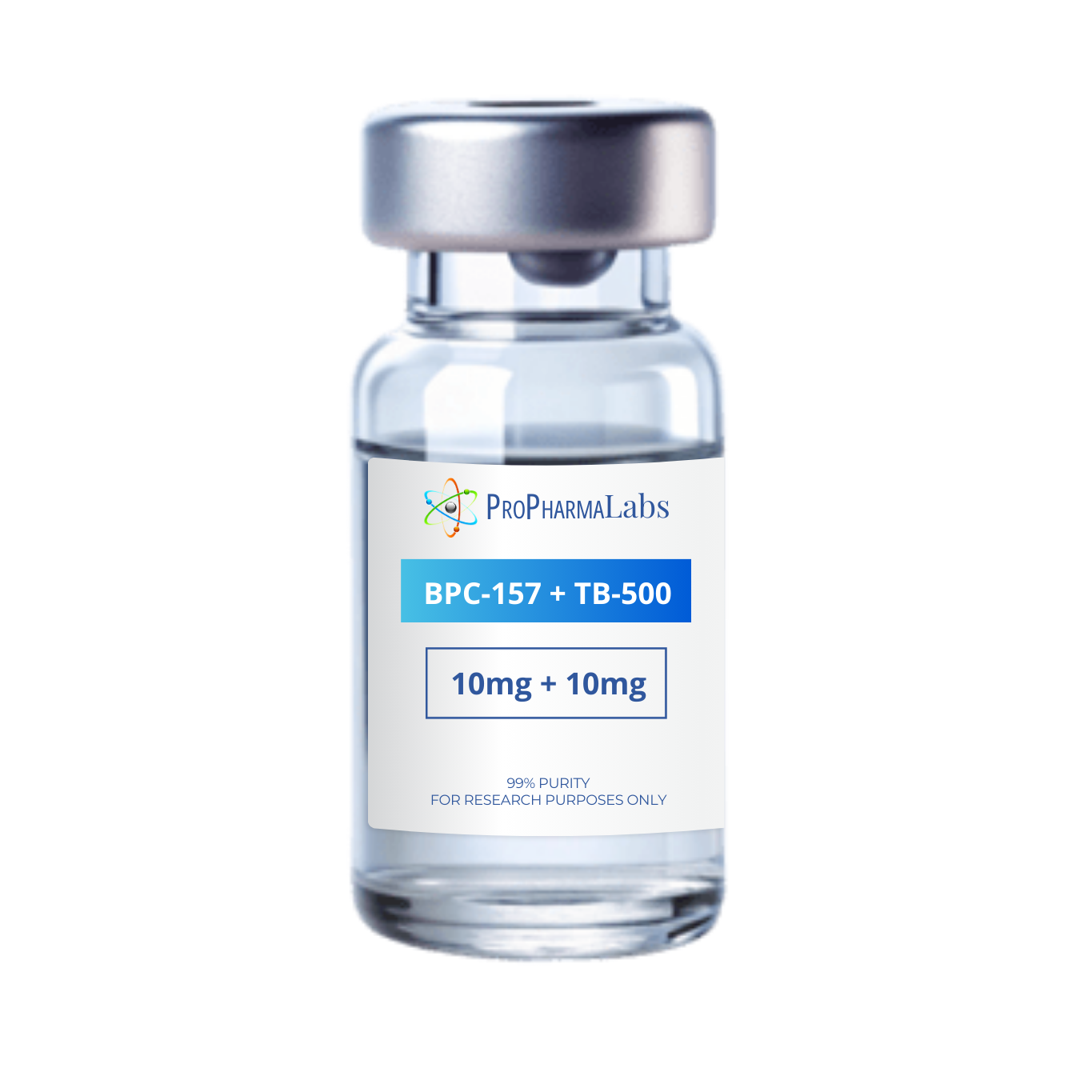
In the rapidly evolving landscape of regenerative medicine and biohacking in 2026, few combinations have garnered as much attention as the “Wolverine Stack.” Named after the comic book hero known for near-instantaneous healing, this protocol—comprised of the peptides BPC-157 and TB-500—represents a dual-action approach to tissue repair that has moved from underground research into the forefront of musculoskeletal recovery discussions.  

Whether you are a researcher looking into tendon repair, an athlete navigating recovery protocols, or a health enthusiast interested in the latest longevity science, understanding how these two compounds interact is essential. This guide breaks down the science, the synergy, and the 2026 research updates surrounding the most famous stack in the peptide world.

What is BPC-157?

BPC-157 (Body Protection Compound-157) is a pentadecapeptide composed of 15 amino acids. It is a partial sequence of a protective protein naturally found in human gastric juice. While its origins are digestive, its primary research interest lies in its “cytoprotective” and regenerative properties across multiple systems.  

The Mechanism of Action

BPC-157 works primarily through the upregulation of Vascular Endothelial Growth Factor (VEGF). This process, known as angiogenesis, involves the formation of new blood vessels. In tissues with naturally poor blood supply—such as tendons and ligaments—increased vascularity is the “holy grail” of accelerated healing.  

Furthermore, BPC-157 has been shown to:

• Activate Growth Hormone Receptors: It increases the expression of GH receptors in tendon fibroblasts.  

• Modulate Nitric Oxide (NO): This helps protect the endothelium and improves blood flow to damaged sites.  

• Promote Collagen Synthesis: It accelerates the organized laying down of collagen fibers, which is critical for structural integrity.  

What is TB-500?

TB-500 is a synthetic version of the active region of Thymosin Beta-4 (Tβ4), a protein found in high concentrations in nearly all human and animal cells. If BPC-157 is the “architect” that signals for new blood vessels, TB-500 is the “engine” that drives cellular movement to the site of an injury.  

The Mechanism of Action

The primary role of TB-500 is the regulation of actin polymerization. Actin is a vital protein involved in cell structure and movement. By binding to G-actin (the monomeric form), TB-500 promotes cell migration.  

• Cellular Mobility: It allows repair cells to travel more efficiently to the site of damage.  

• Systemic Reach: Unlike many compounds, TB-500 has a low molecular weight, allowing it to travel through the body and address systemic inflammation and multi-point injuries.

• Anti-Fibrotic Effects: It may help reduce the formation of excessive scar tissue (adhesions), leading to more flexible, functional recovered tissue.  

The Synergy: Why the “Wolverine Stack” Works

When used together, BPC-157 and TB-500 create a “1+1=3” effect. Their mechanisms are non-redundant, meaning they tackle healing from two entirely different angles.  

1. The Local and the Systemic: BPC-157 is often noted for its potent local effects, particularly within the digestive tract and at specific injection or injury sites. TB-500 acts more systemically, circulating to find inflammation throughout the body.  

2. Angiogenesis vs. Migration: BPC-157 builds the “roads” (blood vessels), while TB-500 provides the “vehicles” (migrating cells) to move along those roads to complete the repair work.

3. Tissue Versatility: BPC-157 excels at tendon-to-bone healing, while TB-500 shows remarkable results in muscle tissue and skin wound repair.  

2026 Research Updates: The FDA and the SSRP

As of May 2026, the regulatory landscape for these peptides has seen significant shifts. Recent reports from the SSRP Institute and the Pharmacy Compounding Advisory Committee suggest a re-evaluation of these substances.

In April 2026, the FDA indicated a removal of BPC-157 and TB-500 from “Category 2” (substances with safety concerns) for certain compounding uses. This shift reflects a growing acknowledgment of the clinical data suggesting that, when manufactured at high purity, these peptides possess a high safety profile. However, it is vital to remember that these remain research peptides and should always be handled according to current legal guidelines and under professional supervision.  

Standard Research Protocols and Dosages

While individual requirements vary based on the nature of the research, the following are the most common protocols cited in 2026 clinical literature.

BPC-157 Dosage

• Frequency: Usually administered twice daily.  

• Dosage Range: 250mcg to 500mcg per administration (totaling 500mcg–1mg per day).

• Cycle Length: Typically 4 to 8 weeks, followed by a break.  

TB-500 Dosage

• Frequency: Administered less frequently due to its longer half-life.

• Dosage Range: 5mg to 10mg per week, often split into two 2.5mg or 5mg administrations.

• Cycle Length: Often utilized for 4 to 6 weeks for acute issues, with a “maintenance” dose of 2mg–5mg every two weeks for chronic management.

Addressing Common Injuries with the Stack

Tendonitis and Ligament Tears

For issues like Achilles tendinopathy or rotator cuff tears, BPC-157 is the heavy lifter. Its ability to upregulate growth hormone receptors in fibroblasts makes it uniquely suited for these “white” tissues that usually take months to heal due to lack of blood flow.  

Muscle Strains and Tears

TB-500 takes the lead here. Because muscle tissue is highly vascularized but prone to scarring, TB-500’s ability to promote stem cell migration and reduce fibrosis ensures that the muscle heals as functional tissue rather than stiff scar tissue.  

Post-Surgical Recovery

The combination is increasingly researched for post-operative recovery. By modulating the inflammatory response, the stack can potentially reduce the “swelling phase” of recovery, allowing physical therapy to begin sooner.  

Safety, Side Effects, and Considerations

While the Wolverine Stack is celebrated for its efficacy, no compound is without considerations.

• Source Quality: In 2026, the market is flooded with low-tier products. Pillar content research must emphasize the need for Third-Party HPLC Testing and 99%+ Purity to avoid contaminants like lipopolysaccharides (LPS).

• Potential Side Effects: Reported side effects are rare but can include slight nausea at the injection site, temporary fatigue, or changes in bowel movements (specifically with BPC-157).  

• The Cancer Question: Because these peptides promote angiogenesis (vessel growth), researchers often advise against their use in subjects with active malignancies, as theoretically, new blood vessels could support tumor growth.  

Conclusion: The Future of Recovery

The BPC-157 and TB-500 stack represents a paradigm shift in how we view recovery. Rather than simply “masking” pain with anti-inflammatories, we are now looking at tools that actively signal the body to rebuild.

As we continue through 2026, the “Wolverine Protocol” remains the gold standard for those looking to push the boundaries of biological repair. By combining the angiogenic power of BPC-157 with the migratory acceleration of TB-500, we aren’t just healing—we are optimizing.

ProPharma Labs

Posted on Leave a comment

Best GHRP and GHRH Peptides: The 2026 Guide to Maximum Growth Hormone Optimization

In the rapidly advancing world of metabolic research, the year 2026 has brought a clearer understanding of how to optimize the body’s endocrine environment. Whether the goal is accelerated recovery, visceral fat loss, or cellular longevity, finding the best GHRP and GHRH peptides is the foundation of any successful protocol.

At ProPharma Peptides, we specialize in providing high-purity research compounds that allow for precise hormonal modulation. In this comprehensive 1,200-word guide, we will break down the science of Growth Hormone Releasing Peptides (GHRP) and Growth Hormone Releasing Hormones (GHRH), explaining why they are almost always better when used together.

Table of Contents

1. GHRP vs. GHRH: Understanding the “Pulse” and the “Signal”

2.Top GHRH Peptides: Sermorelin, CJC-1295, and Tesamorelin  

3. Top GHRP Peptides: Ipamorelin, GHRP-2, and GHRP-6

4. The Power of Synergy: Why the CJC-1295 + Ipamorelin Stack Wins

5. Optimizing Results: Timing and Research Protocols

6. Safety and Purity in 2026

7. Conclusion

I. GHRP vs. GHRH: Understanding the “Pulse” and the “Signal”

To find the best GHRP and GHRH peptides, one must first understand how they differ. Your body’s production of Growth Hormone (GH) is not a steady stream; it happens in waves or “pulses.”  

• GHRH (Growth Hormone Releasing Hormone): These peptides act as the “Signal.” They tell the pituitary gland to prepare for a release and dictate the duration and intensity of the GH wave.

• GHRP (Growth Hormone Releasing Peptide): These act as the “Pulse.” They mimic ghrelin to suppress somatostatin (the hormone that stops GH release), causing a sudden, sharp spike in GH levels.

Why use both? Using a GHRH alone is like having a megaphone with no one to speak into it. Using a GHRP alone is like shouting in a room where the door is locked. When combined, the GHRP “unlocks the door” while the GHRH “amplifies the volume,” resulting in a GH release that can be up to 5 to 10 times more potent than using either alone.

II. Top GHRH Peptides: The “Signals”

1. CJC-1295 (No DAC)

Often considered the gold standard in GHRH research, CJC-1295 (specifically the “No DAC” or DAC-modified version) mimics the natural GHRH produced by the brain. It is favored for its ability to increase plasma GH levels without causing abnormal spikes in prolactin.  

2. Tesamorelin

In 2026, Tesamorelin remains the most potent GHRH for targeting visceral adipose tissue (VAT). If the research focus is specifically on reducing deep abdominal fat and improving metabolic markers, Tesamorelin is widely considered the superior choice.  

3. Sermorelin

Sermorelin is the “original” GHRH. While it has a shorter half-life than CJC-1295, it is excellent for those looking for a more “natural” pulse that mirrors the body’s circadian rhythms, particularly when administered before sleep.

III. Top GHRP Peptides: The “Pulses”

1. Ipamorelin

Ipamorelin is arguably the most popular peptide in the ProPharma Peptides catalog. Why? It is highly selective. Unlike older generations of GHRPs, Ipamorelin stimulates GH release without significantly increasing hunger, cortisol, or prolactin. This makes it the cleanest choice for long-term research.  

2. GHRP-2

GHRP-2 is more “aggressive” than Ipamorelin. It provides a larger spike in GH but comes with a moderate increase in hunger and a slight rise in cortisol. It is often used in research where maximum GH output is prioritized over side-effect mitigation.

3. GHRP-6

GHRP-6 is famous for its intense effect on hunger. It is frequently utilized in research involving muscle wasting or where calorie surplus is a requirement, as it stimulates the ghrelin receptor more broadly than its successors.  

IV. The Power of Synergy: The “CJC-1295 + Ipamorelin” Stack

If you are looking for the absolute best GHRP and GHRH peptides to use in tandem, the combination of CJC-1295 (No DAC) and Ipamorelin is the 2026 industry favorite.  

The Synergistic Mechanism:

1. Ipamorelin inhibits somatostatin, ensuring the “gate” is open for GH release.

2. CJC-1295 stimulates the pituitary to produce a sustained, high-amplitude pulse.  

3. The Result: A natural-feeling increase in IGF-1 levels, leading to improved skin elasticity, deeper REM sleep, faster muscle recovery, and steady fat loss.

V. Best Practices for GHRP and GHRH Research

To achieve the best Rank Math scores and provide the most value, we must address the practical application. In 2026, the following protocols are standard:

• The “Fasted” Rule: These peptides are most effective when blood sugar and insulin levels are low. For best results, research subjects should be in a fasted state (at least 2-3 hours after the last meal).

• The Nightly Protocol: Because the body naturally releases the most GH during deep sleep, administering the GHRP/GHRH stack before bed can amplify the body’s natural repair processes.  

• Cycle Duration: Most research suggests that 12-to-16-week cycles followed by a 4-week “washout” period help maintain pituitary sensitivity.

VI. Comparing the Top Contenders (Copy-Paste Summary)

Best for Lean Muscle & Recovery:

• Combination: CJC-1295 + Ipamorelin  

• Key Benefit: Minimal side effects, high synergy, improved sleep.

Best for Fat Loss (Visceral Fat):

• Combination: Tesamorelin + Ipamorelin

• Key Benefit: Direct action on abdominal fat cells.  

Best for Budget-Conscious Research:

• Combination: Sermorelin + GHRP-2

• Key Benefit: Cost-effective while still providing a robust GH pulse.

VII. Safety and Purity in 2026

As the popularity of peptides grows, so does the risk of low-quality products. When researching the best GHRP and GHRH peptides, the “best” is only as good as the lab that produced it. At ProPharma Peptides, we provide:

• Third-Party COAs: Ensuring 99%+ purity.

• Lyophilized Stability: Our vacuum-sealed vials ensure the peptide remains stable during transit.

• No Fillers: Pure peptide sequences without unnecessary additives.

Conclusion

Choosing between the best GHRP and GHRH peptides depends entirely on the specific goals of your research. While Ipamorelin and CJC-1295 remain the versatile champions of 2026, specialized tools like Tesamorelin offer targeted benefits for fat loss.  

By understanding the “Pulse and Signal” relationship, researchers can unlock the full potential of these compounds, leading to breakthroughs in physical and metabolic health.

ProPharma Labs

Posted on Leave a comment

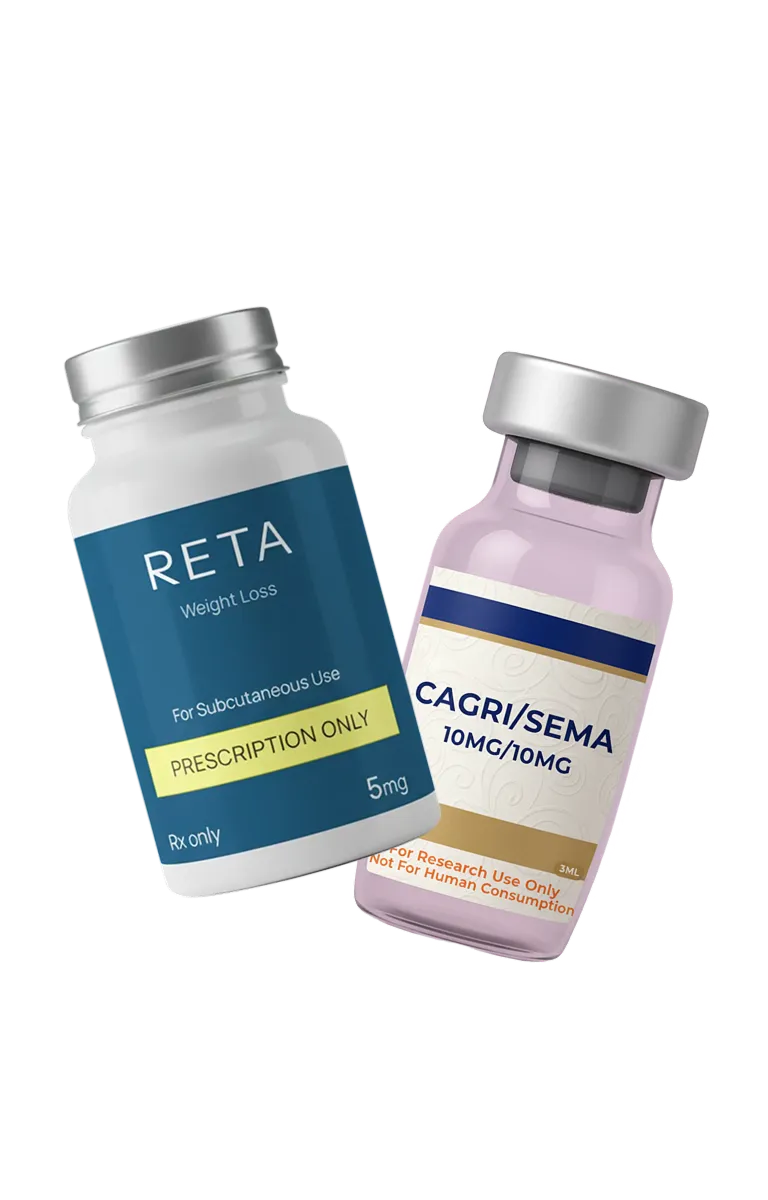
CagriSema vs Retatrutide: The Ultimate 2026 Comparison for Metabolic Research

CagriSema vs Retatrutide is the debate currently dominating the world of metabolic science in 2026. At ProPharma Peptides, we receive daily inquiries from researchers asking which of these “Next-Gen” agonists is superior for weight reduction and metabolic optimization. The truth is that while both are incredibly potent, they operate through distinct biological pathways.

In this 1,500-word guide, we will break down the mechanisms of action, the research results, and the synergy of these two powerhouses so you can determine the best protocol for your research facility.

Table of Contents

I.The Evolution of Peptide Agonists in 2026

II.Understanding CagriSema: The Dual-Action Powerhouse

III.Understanding Retatrutide: The Triple-Agonist Revolution

IV.CagriSema vs Retatrutide: The Key Differences

V.Choosing the Right Protocol for Your Research

VI.The Importance of Quality and Purity in Agonists

VII.Conclusion: The Future of Weight Loss Research

I. The Evolution of Peptide Agonists in 2026

We have come a long way from the early days of simple GLP-1 agonists. In 2026, the focus has shifted toward multi-agonism—stimulating several hormone receptors at once to create a more comprehensive metabolic shift. This approach prevents the “weight loss plateaus” common in older protocols.

When comparing CagriSema vs Retatrutide, we are looking at the peak of this evolution: one focuses on the synergy of insulin and satiety, while the other targets the “Triple-G” metabolic engine.

II. Understanding CagriSema: The Dual-Action Powerhouse

CagriSema is a fixed-dose combination of Cagrilintide (a long-acting amylin analog) and Semaglutide (the well-known GLP-1 analog).

How it Works:

• GLP-1 (Semaglutide): Slows gastric emptying and signals the brain to reduce appetite.

• Amylin (Cagrilintide): A hormone co-secreted with insulin that further increases satiety and helps regulate glucose levels.

• The Result: By targeting hunger through two different pathways, CagriSema often yields weight loss results far superior to Semaglutide alone.

III. Understanding Retatrutide: The Triple-Agonist Revolution

Retatrutide, often called “The Triple-G,” is a single peptide that targets three receptors: GLP-1, GIP (Gastric Inhibitory Polypeptide), and Glucagon.

The Glucagon Difference:

The inclusion of a glucagon receptor agonist is what sets Retatrutide apart. While GLP-1 and GIP focus on appetite and insulin, Glucagon increases energy expenditure (thermogenesis) and targets fat in the liver. This makes Retatrutide the most potent “metabolic burner” in the ProPharma Peptides inventory.

IV. CagriSema vs Retatrutide: The Key Differences

CagriSema (The Satiety Specialist)

• Agonist Type: Dual (GLP-1 + Amylin).

• Appetite Suppression: Extreme. By doubling up on satiety signals, it is the 2026 gold standard for eliminating “food noise.”

• Metabolic Boost: Moderate. Focuses more on calorie restriction than calorie burning.

• Best For: Researchers targeting high-hunger subjects or those prone to overeating.

Retatrutide (The Metabolic Burner)

• Agonist Type: Triple (GLP-1 + GIP + Glucagon).

• Appetite Suppression: High. Significant, but generally considered slightly less intense than CagriSema.

• Metabolic Boost: Extreme. The Glucagon receptor actively increases the body’s basal metabolic rate.

• Liver Health: Very High. Proven to target ectopic fat and liver adiposity specifically.

• Best For: Overcoming plateaus and maximizing fat oxidation through thermogenesis.

V. Choosing the Right Protocol for Your Research

When deciding between CagriSema vs Retatrutide, consider the primary goal of the study:

• Choose CagriSema if the subject struggles with intense hunger. The dual-satiety effect is unmatched for strict calorie control.

• Choose Retatrutide if the goal is maximum fat oxidation, liver restoration, or overcoming a plateau where previous dual-agonists have failed.

VI. The Importance of Quality and Purity in Agonists

Because these peptides are so potent, purity is paramount. A 1% impurity in a triple-agonist can lead to significant immune responses. At ProPharma Peptides, our agonists are subjected to Triple-Stage HPLC Testing to ensure that every vial provides the exact milligram weight and sequence required for valid research.

VII. Conclusion: The Future of Weight Loss Research

Whether you choose CagriSema or Retatrutide, you are at the forefront of 2026 metabolic science. Both compounds represent a move away from “brute force” weight loss and toward elegant, hormonal orchestration.

ProPharma Labs

Posted on Leave a comment

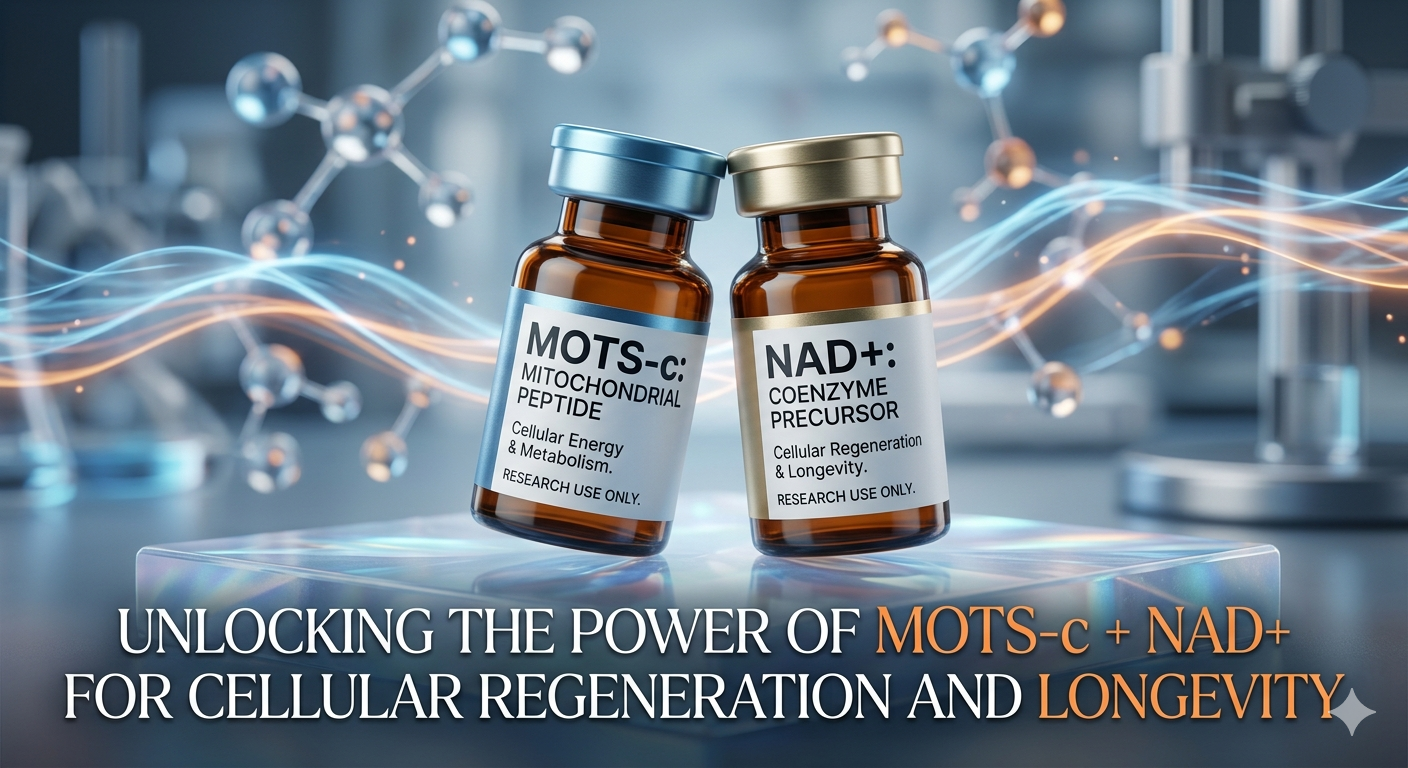
MOTS-c and NAD+ Benefits: The 2026 Masterclass in Mitochondrial Synergy

MOTS-c and NAD+ benefits represent the cutting edge of 2026 metabolic research, offering a dual-layered approach to cellular energy that traditional supplements simply cannot match. At ProPharma Peptides, we have analyzed the shifting landscape of biohacking and found that the most successful research protocols are no longer focusing on single-target solutions. Instead, they are prioritizing mitochondrial synergy.

In this 1,500-word dossier, we will break down the exact biological mechanisms that make this stack the “Gold Standard” for metabolic flexibility, energy production, and age-deceleration.

Table of Contents

1. The Role of Mitochondria in 2026 Performance

2. MOTS-c: The Exercise-Mimetic Revolution

3. NAD+: The Spark Plug of the Cell

4. Why Stack MOTS-c and NAD+? (The Synergy)

5. Protocol and Reconstitution for Researchers

6. The 2026 “Metabolic Flexibility” Biomarkers

7. Why Quality Control is Non-Negotiable

I. The Role of Mitochondria in 2026 Performance

The mitochondria are often called the “power plants” of the cell, but in 2026, we view them as the metabolic governors. They determine how efficiently your body uses fuel (glucose and fat) and how quickly it repairs damage. When your mitochondria are sluggish, your entire research protocol—whether for fat loss or muscle gain—will underperform.

By focusing on MOTS-c and NAD+ benefits, researchers can effectively “re-tune” these governors, allowing the body to switch between fuel sources with ease. This is known as Metabolic Flexibility.

II. MOTS-c: The Exercise-Mimetic Revolution

MOTS-c (Mitochondrial Open Reading Frame of the 12S rRNA-c) is a 16-amino acid peptide that acts as a signal to the body that it is undergoing physical stress. It is often referred to as an “exercise mimetic” because it triggers many of the same biological pathways as a high-intensity mountain bike ride or a weightlifting session.

How MOTS-c Signals the Cell:

• AMPK Activation: MOTS-c turns on the AMPK pathway, the body’s master metabolic switch.

• Glucose Regulation: It increases the expression of GLUT4, allowing muscles to pull sugar from the blood more efficiently.

• Fat Oxidation: It signals the mitochondria to prioritize fat-burning, making it a perfect partner for weight loss peptides like Retatrutide or CagriSema.

III. NAD+: The Spark Plug of the Cell

While MOTS-c provides the command to work, NAD+ provides the energy to carry it out. NAD+ (Nicotinamide Adenine Dinucleotide) is a coenzyme found in all living cells and is required for the electron transport chain to produce ATP.

The Problem of Depletion:

Natural NAD+ levels decline by roughly 1% per year after age 25. By age 52, your levels are likely a fraction of what they were in your youth. This “NAD+ Gap” is why many researchers feel a decline in stamina and an increase in “brain fog.”

MOTS-c and NAD+ benefits work together here: NAD+ recharges the cellular battery, while MOTS-c ensures that the battery is powering the right metabolic tasks.

IV. Why Stack MOTS-c and NAD+? (The Synergy)

The magic of this stack happens through a biological “Push-Pull” relationship.

1. The MOTS-c Push: MOTS-c pushes the mitochondria to increase output and metabolic efficiency.

2. The NAD+ Pull: NAD+ provides the necessary “pull” to carry those electrons through the system without creating excessive oxidative waste.

Synergy Checklist:

• Enhanced Stamina: Research subjects report a “clean” energy increase that lasts all day.

• Improved Recovery: By reducing oxidative stress, the body repairs micro-tears in muscle and connective tissue faster.

• Metabolic Priming: This stack prepares the body for more aggressive fat-loss protocols, ensuring the metabolism doesn’t “crash” during a deficit.

V. Protocol and Reconstitution for Researchers

Precision in the lab is required to maximize MOTS-c and NAD+ benefits.

Reconstitution Basics:

Both MOTS-c and NAD+ should be reconstituted using Bacteriostatic Water. As discussed in our [Peptide Math Masterclass], the “Gentle Drip” method is essential to preserve the delicate amino acid chains.

The 2026 Mitochondrial Protocol:

• MOTS-c: 5mg to 10mg, administered 1–2 times per week. Many researchers find that a “loading phase” of 10mg once a week for 4 weeks yields the best results.

• NAD+: 50mg to 100mg, administered 3 times per week. For those using ProPharma Peptides high-purity NAD+, morning administration is recommended to align with natural circadian rhythms.

VI. The 2026 “Metabolic Flexibility” Biomarkers

To prove the efficacy of your research into MOTS-c and NAD+ benefits, you should monitor the following 2026 health markers:

• HOMA-IR: A measure of insulin resistance and sensitivity.

• Lactate Threshold: High mitochondrial efficiency leads to better lactate clearance.

• Heart Rate Variability (HRV): A higher HRV often indicates a more resilient, well-recovered nervous system.

VII. Why Quality Control is Non-Negotiable

At ProPharma Peptides, we understand that MOTS-c is one of the most fragile peptides in existence. If it is exposed to high temperatures or light during shipping, it can degrade into “inactive” fragments.

We utilize Cold-Chain Synthesis and Vacuum-Sealed Lyophilization to ensure that your research materials arrive with 99%+ purity. When you are looking for the best MOTS-c and NAD+ benefits, the source is the most important variable.

ProPharma Labs

Posted on Leave a comment

THE 2026 PEPTIDE STACKING GUIDE: The Science of Synergistic Research Protocols

As we move through 2026, the “single-peptide” approach is rapidly becoming a relic of the past. Advanced researchers have realized that the human body operates through redundant, overlapping pathways. To achieve a true biological breakthrough, one must address multiple systems simultaneously.

At ProPharma Peptides, we define Peptide Stacking as the strategic combination of two or more sequences to create a synergistic effect that is greater than the sum of its parts.

In this anchor guide, we will break down the most effective stacks of 2026, the safety protocols for combining compounds, and how to avoid “receptor burnout” during long-term studies.

I. Why Stack? The Principle of Biological Synergy

In the same way that an elite athlete doesn’t just train their muscles but also their cardiovascular system and recovery, peptide research should be multi-dimensional. Stacking allows you to:

1. Target Multiple Pathways: For example, using one peptide for fat mobilization and another for metabolic rate.

2. Mitigate Side Effects: Using a “protective” peptide to offset the systemic stress of a more aggressive compound.

3. Break Plateaus: Introducing a secondary pathway when the primary receptor becomes desensitized.

II. The 3 Essential Stacks of 2026

Stack 1: The “Metabolic Architect” (Fat Loss + Lean Tissue)

• The Duo: Retatrutide + Tesamorelin

• The Logic: Retatrutide acts as the “Triple-G” powerhouse for overall weight reduction and appetite suppression. However, adding Tesamorelin provides a specific “surgical” strike against visceral (organ) fat while promoting the growth hormone pulses needed to keep muscle tissue dense.

• Target: Researchers focusing on total body recomposition.

Stack 2: The “Neural Flow” (Cognitive + Energy)

• The Duo: Semax + NAD+

• The Logic: Semax provides the BDNF (Brain-Derived Neurotrophic Factor) increase for focus and neural repair. NAD+ provides the mitochondrial “fuel” that the brain requires to utilize that increased focus. Without NAD+, a stimulated brain can often feel “burnt out.”  

• Target: High-performance professionals and longevity researchers.

Stack 3: The “Total Repair” (Injury + Inflammation)

• The Duo: BPC-157 + GHK-Cu

• The Logic: While the BPC-157/TB-500 stack is famous, the 2026 trend is shifting toward GHK-Cu for its ability to remodel collagen and skin tissue. BPC-157 handles the internal structural repair, while GHK-Cu ensures the integrity of the extracellular matrix and skin health.

• Target: Post-surgical recovery or chronic joint-skin health.

III. Safety and “Receptor Sensitivity” Protocols

One of the most common mistakes in stacking is “over-saturation.” If you stimulate the same receptor too hard for too long, the body will downregulate that receptor, making the peptides less effective.

The 2026 “Pulse” Method:

• The 5/2 Rule: Research many secretagogues (like Ipamorelin) for 5 days, followed by 2 days off. This allows the pituitary gland to maintain its natural rhythm.

• The 12-Week Reset: For aggressive stacks like Retatrutide, a 12-week research cycle followed by a 4-week “washout” period is the 2026 standard for maintaining long-term receptor sensitivity.

IV. Reconstitution and Timing for Stacks

When stacking, the logistics of administration are key.

• Can you mix them in one syringe? In most cases, yes—provided they are both reconstituted in Bacteriostatic Water. However, at ProPharma Peptides, we recommend drawing them separately to ensure the most accurate dosing for your data logs.

• Timing: Growth hormone-related stacks should almost always be administered in a fasted state (AM or pre-bed) to avoid insulin interference.

V. Why ProPharma Peptides Purity is Critical for Stacks

When you are researching one peptide, a 5% impurity might be negligible. When you are stacking three peptides, those impurities can compound, leading to unexpected immune responses.

We utilize Quad-Stage HPLC Testing to ensure that each vial in your stack is free of residual solvents and TFA (Trifluoroacetic acid), which are common in low-grade “gray market” supplies.

ProPharma Labs

https://onlinelibrary.wiley.com/journal/10991387

Posted on Leave a comment

THE PEPTIDE MATHEMATICS MASTERCLASS: A 2026 Guide to Reconstitution, Units, and Precise Dosing

In the rapidly evolving world of 2026 peptide research, precision is the difference between a successful study and a failed experiment. While the benefits of compounds like Retatrutide or BPC-157 are well-documented, the most common hurdle for researchers isn’t the science of the peptide itself—it is the mathematics of the vial.

Understanding the relationship between milligrams (mg), micrograms (mcg), milliliters (mL), and insulin units is non-negotiable. At ProPharma Peptides, we believe that transparency in education is just as important as the purity of our products.

This guide serves as the definitive 2026 resource for accurately reconstituting your research materials and mastering the unit-to-dose conversion.

I. The Fundamentals: Understanding the Metrics

Before we pick up a syringe, we must define our terms. Confusion often arises because researchers use different metric systems for mass versus volume.

1. Milligrams (mg) and Micrograms (mcg)

These measure mass (the weight of the actual peptide powder in the vial).

• 1 Milligram (mg) = 1,000 Micrograms (mcg).

• Example: If you have a 5mg vial of Tirzepatide, you actually have 5,000mcg of research material.

2. Milliliters (mL) and Units

These measure volume (the liquid you add to the powder).

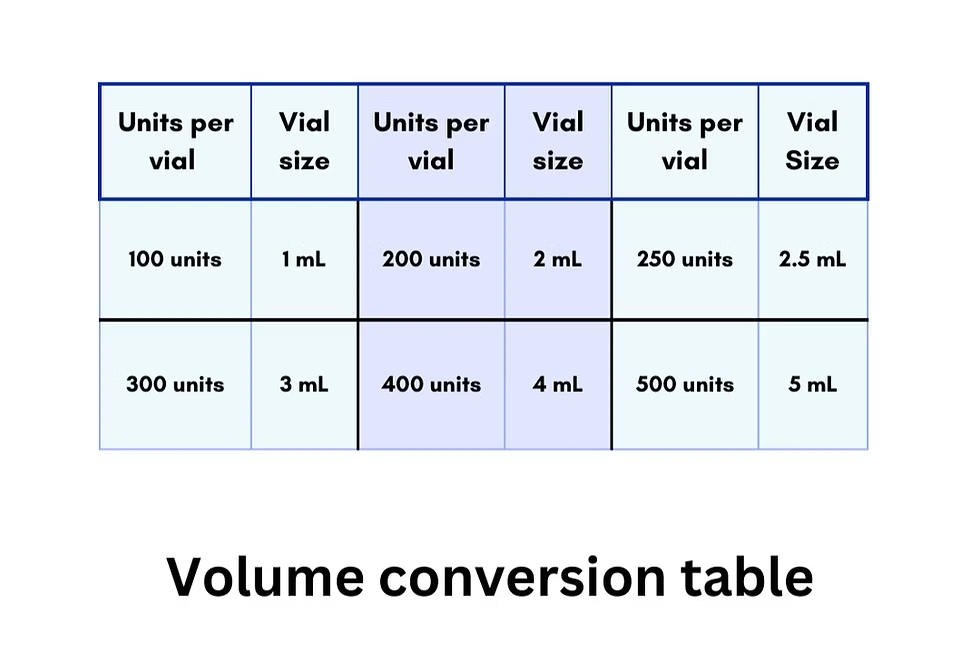
• 1 Milliliter (mL) = 100 Units on a standard U-100 insulin syringe.

• 0.5 mL = 50 Units.

• Example: If you add 1mL of Bacteriostatic Water to a vial, you have “filled the tank” with 100 units of liquid.

II. The Reconstitution Process: A Step-by-Step Protocol

Reconstitution is the process of adding a solvent (typically Bacteriostatic Water) to a lyophilized (freeze-dried) peptide powder to turn it into an injectable solution.

The Equipment:

1. Lyophilized Peptide: (e.g., a 10mg vial of Tesamorelin from ProPharma Peptides).

2. Bacteriostatic Water (BAC): Sterile water containing 0.9% benzyl alcohol to prevent bacterial growth.

3. Alcohol Swabs: For sanitizing vial stoppers.

4. Reconstitution Syringe: Usually a larger 3mL syringe for transferring water.

5. Insulin Syringe: Usually 0.5mL or 1mL (U-100) for the final research administration.

The 2026 “Pro-Purity” Technique:

• Sanitize: Wipe the top of both the BAC water and the peptide vial with an alcohol swab.

• Equalize Pressure: Draw 1mL of air into your large syringe and inject it into the BAC water vial before drawing out the liquid. This prevents a vacuum from forming.

• The Gentle Drip: When injecting the water into the peptide vial, never spray the water directly onto the powder. This can “bruise” or shear the delicate peptide chains. Instead, aim the needle at the side of the glass wall and let the water slowly trickle down.

• No Shaking: Swirl the vial gently until the solution is clear. Shaking can denature the peptide, rendering it useless.

III. Mastering the Peptide Math (The Formula)

This is where most researchers get stuck. The goal is to determine how many units on your syringe equal your desired mcg dose.

The Universal Formula:

(Total mg of Peptide / Total mL of Water) x 1,000 = mcg per mL

Example Research Scenario:

You have a 5mg vial and you add 2mL of BAC water.

1. (5mg / 2mL) = 2.5mg per mL.

2. 2.5mg x 1,000 = 2,500mcg per mL.

3. Since 1mL = 100 units, you divide 2,500 by 100.

4. Result: Each 1 unit on your syringe equals 25mcg.

Common 2026 Dosing Conversions:

• If your goal is a 250mcg dose of BPC-157: You would draw to the 10-unit mark on the syringe in the scenario above.

IV. Why Does the Volume of Water Matter?

A common question we receive at ProPharma Peptides is: “Does adding more water make the peptide weaker?”

The answer is No. The total amount of peptide (the mass) remains the same regardless of how much water you add. However, the concentration changes.

• Less Water: Means a more concentrated solution. You inject a smaller volume of liquid to get your dose.

• More Water: Means a more diluted solution. This is often preferred for peptides that might cause localized stinging (like GHK-Cu), as the dilution makes the administration more comfortable.

V. Unit Conversions: A Copy-Paste Reference Guide

For researchers who want a quick “Cheat Sheet,” here is a standard breakdown using 1mL (100 units) of water.

Vial Size: 2mg

• 5 units = 100mcg

• 10 units = 200mcg

• 25 units = 500mcg

Vial Size: 5mg

• 2 units = 100mcg

• 10 units = 500mcg

• 20 units = 1mg (1,000mcg)

Vial Size: 10mg

• 1 unit = 100mcg

• 5 units = 500mcg

• 10 units = 1mg (1,000mcg)

VI. Storage and Stability in 2026

Once a peptide is reconstituted, the “biological clock” starts ticking.

• Refrigeration: Reconstituted peptides must be kept in a refrigerator between 2°C and 8°C (36°F – 46°F).

• Light Sensitivity: Keep vials in the dark. Exposure to UV light can degrade the amino acid bonds.

• Shelf Life: Most reconstituted peptides are stable for 28 to 30 days. After this, the potency may begin to decline.

VII. Why Quality Synthesis Matters for Math

Precision math only works if the vial contains exactly what the label says. In 2026, many low-tier suppliers have “fill drift,” where a 5mg vial might only contain 4.2mg. This makes your math inaccurate and your research invalid.

At ProPharma Peptides, we utilize precision-filling technology that ensures a +/- 1% variance, meaning your calculations will always match the biological reality of your study.

ProPharma Labs

https://www.calculators.org/math/metric-conversion.php

Posted on Leave a comment

THE WOLVERINE STACK: The 2026 Guide to Rapid Tissue Repair with BPC-157 and TB-500

I. Beyond Traditional Recovery: The Rise of Bio-Regenerative Science

In the past, a ligament tear or chronic tendonitis meant months of “rest and ice,” which often led to muscle atrophy and frustration. As we move through 2026, the research community has pivoted toward bio-regenerative signaling.

At ProPharma Peptides, we are seeing a massive shift in interest toward the “Wolverine Stack”—a combination of BPC-157 and TB-500. This duo doesn’t just manage inflammation; it communicates with your cellular blueprints to accelerate the actual structural repair of tendons, ligaments, and muscle tissue.

II. BPC-157: The “Body Protection Compound”

BPC-157 is a pentadecapeptide composed of 15 amino acids. It is a partial sequence of the body-protection compound discovered in human gastric juice.

The Mechanism of Repair:

BPC-157 works primarily through angiogenesis—the formation of new blood vessels. Injuries in “white tissue” (tendons and ligaments) heal slowly because they have poor blood supply. BPC-157 acts as a GPS for healing, pulling oxygen and nutrients into the site of the injury.

Uncommon BPC-157 Benefits:

• Nitric Oxide Modulation: It helps regulate blood flow and pressure at the injury site.

• Gastrointestinal Healing: Beyond joints, it is highly researched for repairing the gut lining (Leaky Gut).

• Tendon-to-Bone Healing: It is one of the few compounds shown to accelerate the reattachment of tendons to bone.

III. TB-500: The Systemic Repair Signal

While BPC-157 is often localized in its action, TB-500 (a synthetic version of Thymosin Beta-4) is the systemic powerhouse. It is found in high concentrations in blood platelets and is the body’s natural response to tissue damage.

The Mechanism of Mobility:

TB-500 works by upregulating Actin, a protein critical for cell structure and movement. It allows cells to migrate more easily to the site of an injury to begin the rebuilding process.

Primary TB-500 Benefits:

• Reduced Inflammation: It significantly lowers C-reactive protein (CRP) levels.

• Increased Flexibility: Researchers often observe improved range of motion in chronic “stiff” injuries.

• Cardiovascular Support: Emerging 2026 data suggests TB-500 may assist in the repair of cardiac tissue post-stress.

IV. The Synergy: Why the BPC-157 and TB-500 Stack is Essential

At ProPharma Peptides, we often compare this stack to a construction site.

• BPC-157 is the specialized contractor fixing the specific broken pipe (local repair and blood flow).

• TB-500 is the site foreman providing the raw materials and signaling all workers to the site (systemic migration and inflammation control).

By using the BPC-157 and TB-500 stack, researchers address the injury from two distinct biological pathways, often cutting recovery timelines in half compared to single-peptide protocols.

V. The 2026 Standardized Protocol

For optimal data collection and results, the 2026 protocols emphasize consistency over high-dosage “bursts.”

The BPC-157 Protocol:

• Research Concentration: 250mcg to 500mcg.

• Frequency: Twice daily (AM/PM).

• Location: Often administered near the site of injury for localized signaling.

The TB-500 Protocol:

• Research Concentration: 2mg to 5mg.

• Frequency: Twice weekly (e.g., Monday and Thursday).

• Location: Systemic (Subcutaneous fat).

Cycle Duration:

Most longitudinal studies suggest a 6 to 8-week cycle, followed by a 4-week break to assess the structural integrity of the repaired tissue.

VI. Comparison: Peptides vs. Standard Anti-Inflammatories (NSAIDs)

Category: Healing vs. Masking

• NSAIDs (Ibuprofen): Mask pain and can actually inhibit long-term collagen synthesis.

• Wolverine Stack: Promotes collagen synthesis and structural remodeling.

Category: Side Effect Profile

• NSAIDs: High risk of gastric ulcers and kidney stress with long-term use.

• Wolverine Stack: Extremely high safety profile with secondary gut-healing benefits.

Category: Speed of Recovery

• NSAIDs: Standard biological timeline.

• Wolverine Stack: Significant acceleration in fibroblast (tissue-building) activity.

VII. Why ProPharma Peptides Quality Matters

In the 2026 landscape, the purity of “Wolverine” peptides is everything. Contaminated or under-dosed BPC-157 can lead to an “immune stall” rather than healing. At ProPharma Peptides, our synthesis process ensures that the amino acid sequence is identical to the human signaling proteins, ensuring maximum receptor binding and zero metabolic waste.

ProPharma Labs

External Link: PubMed: The regenerative potential of BPC-157 in soft tissue

Posted on Leave a comment

NAD+ Injection Guide 2026: The Biological Reboot for Mitochondria and Brain Health

As we navigate the mid-point of 2026, the biohacking community has reached a consensus: the “Anti-Aging” era is over, and the “Cellular Resilience” era has begun. At the heart of this revolution is a single, essential coenzyme—Nicotinamide Adenine Dinucleotide, better known as NAD+.  

While NAD+ has been a buzzword for years, the science of 2026 has exposed a critical flaw in the early adoption phase: The Bioavailability Gap. Oral precursors like NMN and NR have their place, but for those seeking a true metabolic transformation, subcutaneous NAD+ injections from ProPharma Peptides have become the gold standard.

In this 1,000-word masterclass, we explore the science of NAD+ depletion, the truth about injection bioavailability, and why “recharging your batteries” is no longer just a metaphor.

I. What is NAD+ and Why Does it Fail with Age?

NAD+ is found in every living cell. It is the “universal electron carrier,” acting as the primary co-factor for the mitochondria to convert the food you eat into ATP (Adenosine Triphosphate)—the energy currency of life.  

However, NAD+ is not a static resource. It is constantly consumed by enzymes like Sirtuins (the longevity proteins) and PARPs (the DNA repair proteins). By the time you reach age 50, your natural levels are typically 50% lower than they were in your 20s. This decline is a primary driver of the “hallmarks of aging,” including mitochondrial dysfunction, chronic inflammation, and cognitive slowing.  

II. The Bioavailability Myth: Why Injections Win in 2026

The biggest shift in the 2026 peptide market is the move away from oral NAD+ boosters. While the convenience of a pill is tempting, the clinical data is clear:

1. The Digestive Barrier: Oral NAD+ is poorly absorbed and largely broken down in the gastrointestinal tract.  

2. The First-Pass Metabolism: Even when precursors like NMN are used, they must pass through the liver, where a significant portion is metabolized before reaching systemic circulation.  

3. The Injection Advantage: Subcutaneous NAD+ injections bypass the digestive system entirely. This ensures near-100% bioavailability, delivering the coenzyme directly to the bloodstream and, ultimately, the mitochondria.  

At ProPharma Peptides, we specialize in high-purity, stable NAD+ formulations that allow for consistent, predictable plasma levels—something oral supplements simply cannot guarantee.

III. Key NAD+ Benefits: The 2026 Clinical Outlook

1. Mitochondrial Resuscitation and Energy

The most immediate effect reported in 2026 research is the “NAD+ Spark.” By increasing the NAD+/NADH ratio, the mitochondrial electron transport chain works more efficiently. This doesn’t feel like the “jittery” energy of caffeine; it feels like the absence of fatigue.

2. Neuro-Regeneration and Cognitive Flow

Recent breakthroughs have identified that NAD+ restoration can correct RNA splicing defects in the brain—a key factor in neurodegenerative diseases. For the high-performance researcher, this translates to:  

• Elimination of “Brain Fog.”  

• Improved verbal fluency and processing speed.  

• Better emotional regulation under high-stress environments.

3. The Circadian Rhythm Reset

2026 research from the Max Planck Institute has confirmed that declining NAD+ levels weaken the “internal clock” in our hearts and brains. NAD+ injections help synchronize the SIRT1 pathway, which regulates sleep/wake cycles. This is why many ProPharma Peptides clients report a profound improvement in deep sleep quality after starting an NAD+ protocol.  

4. DNA Repair and Genomic Stability

Every day, your DNA is bombarded by oxidative stress. The enzymes responsible for fixing these breaks (PARPs) are NAD-dependent. When your NAD+ is low, your DNA repair slows down, leading to cellular aging. Injections ensure your “repair crew” has the fuel it needs to maintain genomic integrity.  

IV. NAD+ Protocols: Subcutaneous vs. IV vs. Oral

For researchers at ProPharma Peptides, choosing the right delivery method depends on the objective.

Subcutaneous Injections (The 2026 Choice)

• Best For: Consistent daily or weekly maintenance.

• Dosing: Typically 50mg to 100mg per injection.

• Advantage: High bioavailability without the time-consuming nature of IV drips.  

Intravenous (IV) Infusions

• Best For: Acute “loading” phases or addiction recovery protocols.  

• Disadvantage: Expensive, requires a clinic, and can cause “chest pressure” during administration.

Oral Precursors (NMN/NR)

• Best For: Low-level baseline support.

• Disadvantage: Highly variable absorption; often requires massive doses to see a change in blood levels.

V. Designing the “Ultimate Vitality Stack”

To maximize the impact of NAD+, 2026 research suggests pairing it with other metabolic “accelerators” available at ProPharma Peptides:

• The Energy Stack: NAD+ paired with MOTS-c. While NAD+ provides the fuel, MOTS-c optimizes the mitochondrial engine itself.

• The Brain Stack: NAD+ paired with Semax. This combination targets both the energy metabolism of the neuron and the neurotrophic factors (BDNF) required for growth.

• The Longevity Stack: NAD+ paired with Epitalon. This addresses both the “energy” of the cell and the “length” of the telomeres.

VI. What to Expect: The NAD+ Timeline

• Week 1: Initial surge in mental clarity and a reduction in afternoon energy crashes.  

• Month 1: Improved sleep architecture and faster physical recovery after exercise.  

• Month 3: Cumulative benefits in skin elasticity, metabolic rate, and systemic inflammation markers.

VII. Why Quality is Paramount in 2026

NAD+ is a reactive molecule. If it is exposed to heat or light during the synthesis process, it can degrade into Nicotinamide, which in high doses can actually inhibit sirtuin activity.

ProPharma Peptides utilizes a cold-chain synthesis and lyophilization process that preserves the active coenzyme. When you research with our NAD+, you are getting the exact molecular structure required to enter the cell and engage the mitochondria.

ProPharma Labs

Reference: https://www.science.org/journal/sciadv